
Cybernetics 3.0 emerged from the convergence of three disciplines: philosophy, medical science and bioinformatics, and computer and information technology. This interdisciplinary collaboration shaped a framework broad enough to measure human action across domains, from climate systems to cybersecurity.
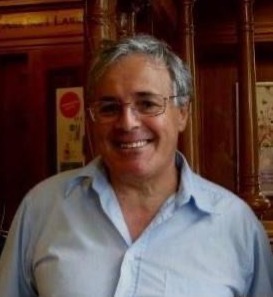
In Memoriam: Fernando Flores Morador (1950–2023). Human Act Informatics is based on Cybernetics 3.0, a framework created by Professor Fernando Flores Morador. He earned his PhD from Lund University in 2001 and spent many years teaching and writing books. From 2018 to 2023, he was an Honorary Research Professor at the University of Alcalá and guided this project with his ideas. He shared his ideas about Cybernetics in four main books: The Informational Foundation of the Act (2018), Whispers and Shouts: The Informational Measurement of the Human Act (2020), El Hacedor y el Tiempo. Cibernética 3.0. Volumen I: Polarizaciones (2021), y El Hacedor y el Tiempo. Volume II: Levitaciones (2022). These books have guided our work. We are deeply saddened to share that Fernando Flores Morador passed away on January 2, 2023. Working with him was rewarding and helped us grow. He stayed dedicated to his work until the end, and we will continue to share his legacy here. We miss him and will always remember him with love.
Books referenced: The Informational Foundation of the Act (2018) · Whispers and Shouts: The Informational Measurement of the Human Act (2020) · El Hacedor y el tiempo. Cibernética 3.0, Vol. I–II (2021–2022).
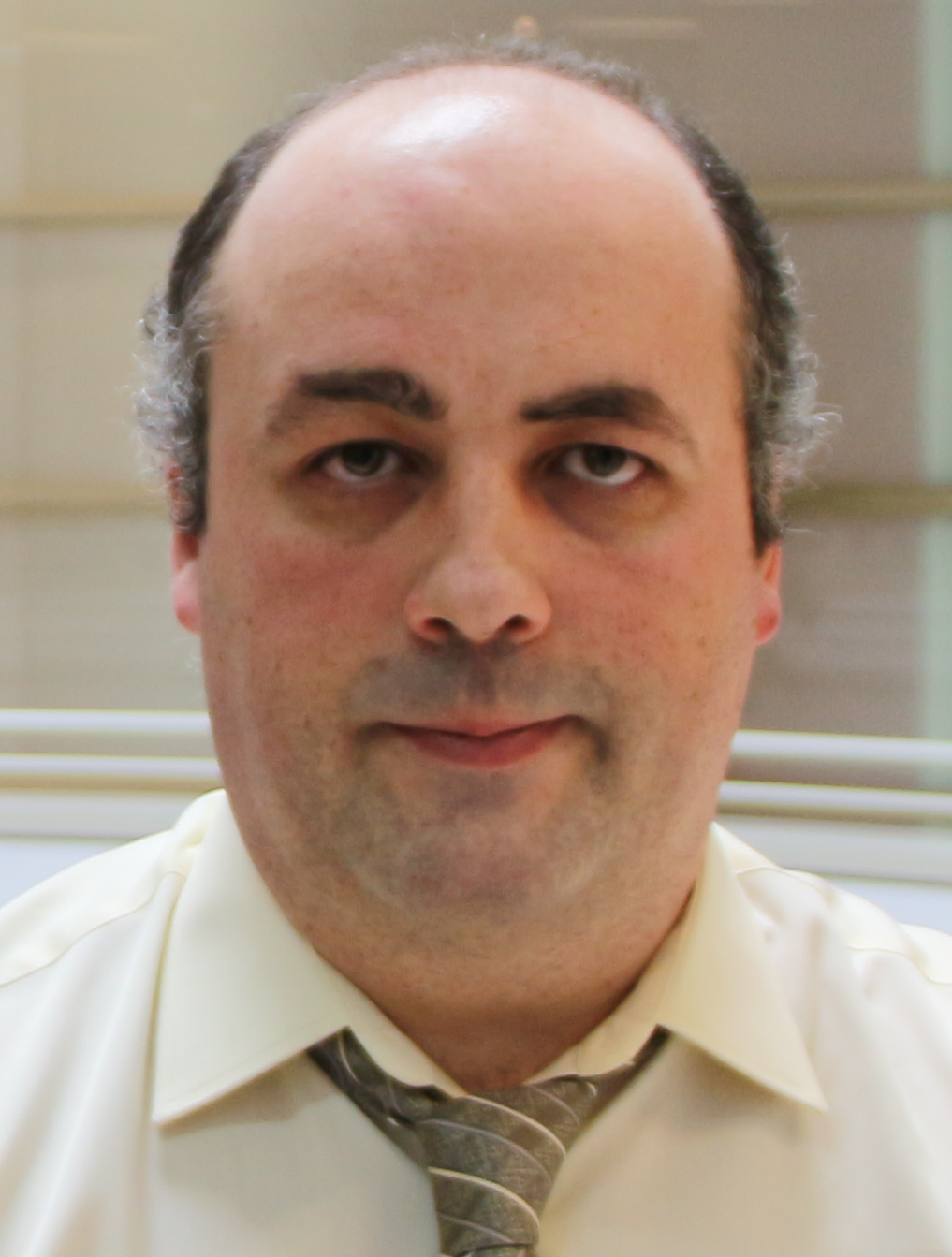
Luis de Marcos Ortega holds a PhD in Information, Documentation, and Knowledge from the University of Alcalá (2009), where he has been a full professor since 2022. He leads the university's research group on Information Technologies for Training and Knowledge and directs its PhD Program on Information and Knowledge Engineering, having mentored ten doctoral dissertations. His research spans artificial intelligence, graph and social network analysis, and learning technologies, with over 170 peer-reviewed publications. He has led major EU-funded projects including ProTego (H2020, cybersecurity, 2019–2021) and PARCHE (evidence recovery from darknets, 2022–2025), and received the IEEE Education Society's Theodore E. Batchman Best Paper Award in 2019. Luis co-authored The Informational Foundation of the Human Act (2018) with Fernando Flores Morador, and later supervised Carmen Flores Bjurström's project within Machine Learning during her MSc studies at Lund University.

Carmen Flores Bjurström holds a PhD in Medical Science from Lund University (2012), with a research career spanning gene therapy, functional genomics, and bioinformatics, including postdoctoral work at UCLA and research roles at KTH Royal Institute of Technology. She completed an MSc in Bioinformatics at Lund University's Department of Biology (2018–2020), supervised in part by Luis de Marcos Ortega (University of Alcalá). She has since co-authored texts with Fernando Flores Morador and Luis de Marcos Ortega, including Quantum Computation in a Human Environment and Hermeneutics of Measurement. She founded Human Act Informatics to apply the framework to organizational systems, bringing a data scientist's rigor to the measurement of human action.